The Importance of Risk Management in Trading


Understanding Risk Management
In the world of trading, risk management is crucial for long-term success. It involves identifying, assessing, and prioritizing risks to minimize potential losses while maximizing potential gains. Without a proper risk management strategy, traders are more susceptible to significant financial losses, which can be detrimental to their trading careers.

Effective risk management involves maintaining a balance between risk and reward. Traders need to assess their risk tolerance and develop strategies that align with their financial goals. Understanding one's risk appetite helps in making informed decisions and prevents emotional trading.
The Role of Diversification
Diversification is a key component of risk management. By spreading investments across various asset classes, traders can reduce the impact of a poor-performing asset on their overall portfolio. This strategy helps in mitigating risks and provides a buffer against market volatility.
For example, instead of investing solely in stocks, a trader might diversify by including bonds, commodities, or real estate in their portfolio. This way, if one market underperforms, the others may compensate for the loss, leading to more stable returns.

Setting Stop-Loss Orders
Another essential aspect of risk management is setting stop-loss orders. These orders allow traders to predetermine the maximum loss they are willing to endure on a particular trade. By doing so, they can automatically sell an asset at a specified price, limiting potential losses.
Stop-loss orders are particularly useful in volatile markets where prices can fluctuate rapidly. They provide a safety net, ensuring traders do not lose more than they can afford. Implementing stop-loss orders requires careful analysis of market trends and price movements.
Using Leverage Wisely
Leverage can amplify both gains and losses, making it a double-edged sword in trading. While it allows traders to control larger positions with a smaller amount of capital, it also increases the risk of significant losses.
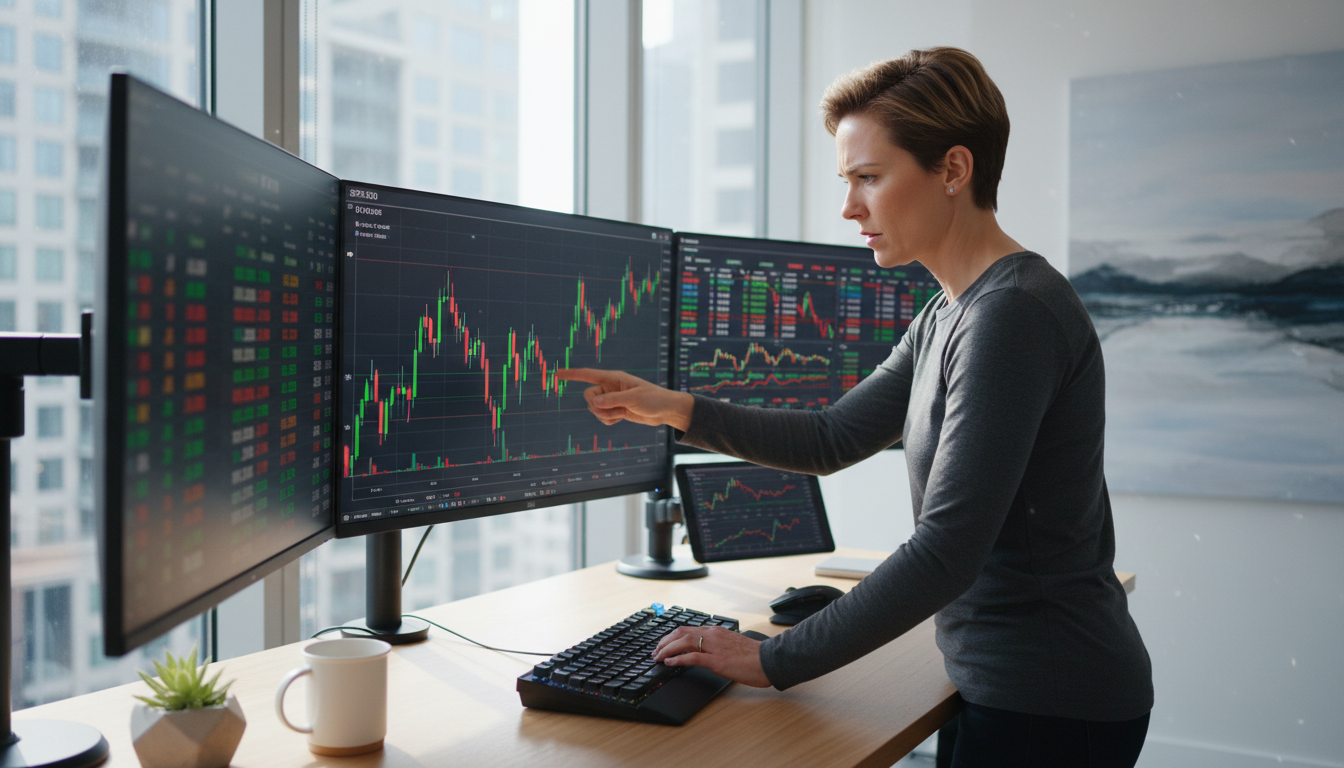
Traders must use leverage judiciously and understand the potential risks involved. It's essential to keep leverage levels in check and avoid overextending, as doing so can lead to margin calls and forced liquidation of positions.
Continuous Monitoring and Adjustment
Risk management is not a one-time activity but an ongoing process. Traders must continuously monitor their portfolios and adjust their strategies based on changing market conditions. Regularly reviewing and updating risk management plans ensures they remain effective and aligned with current market dynamics.
Additionally, traders should stay informed about economic indicators, geopolitical events, and other factors that may impact markets. Staying updated helps in making timely decisions and minimizing risks associated with unforeseen events.

The Psychological Aspect
Emotions can significantly influence trading decisions, often leading to impulsive actions that increase risk. Implementing a sound risk management strategy helps traders remain disciplined and prevents emotional trading.
By establishing clear rules and sticking to them, traders can maintain control over their actions and avoid making decisions based on fear or greed. This psychological discipline is as important as any technical strategy in risk management.