Mastering Forex Trading: A Beginner’s Guide to Financial Freedom


Forex trading, often referred to as FX trading, is the global marketplace for exchanging national currencies. With a daily turnover exceeding $6 trillion, it offers immense opportunities for financial growth. However, for beginners, navigating this vast market can be daunting. This guide aims to simplify the process and help you embark on your journey to financial freedom.
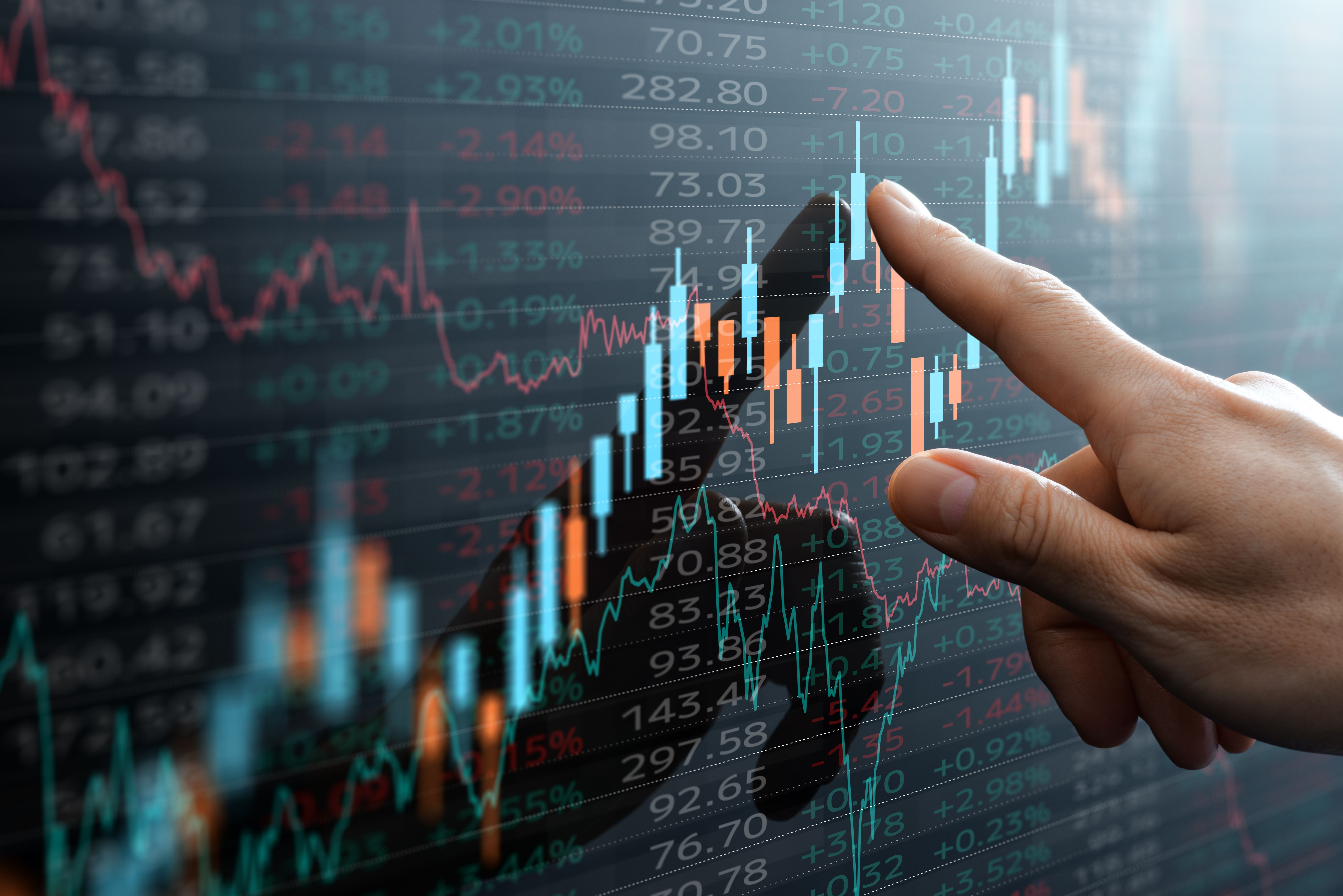
Understanding the Basics of Forex Trading
Before diving into forex trading, it's essential to understand the basic concepts. The forex market operates 24 hours a day, five days a week, and involves the trading of currency pairs. The most commonly traded pairs include EUR/USD, USD/JPY, and GBP/USD. Each pair consists of a base currency and a quote currency, and the exchange rate represents how much of the quote currency is needed to purchase one unit of the base currency.
The Role of Brokers
Brokers act as intermediaries between traders and the forex market. Selecting a reputable broker is crucial as they provide the trading platforms, tools, and resources necessary for executing trades. Look for brokers who are regulated by financial authorities and offer competitive spreads, reliable customer service, and user-friendly platforms.

Developing a Trading Strategy
Successful forex trading requires a well-thought-out strategy. A trading strategy helps you make informed decisions by outlining when to enter and exit trades, the amount to risk, and the types of trades to pursue. Popular strategies include trend following, range trading, and breakout strategies. It's important to test your strategy using a demo account before risking real money.
Risk Management
Managing risk is a critical component of forex trading. Using tools like stop-loss orders can help limit potential losses. Additionally, never risk more than you can afford to lose on a single trade. A common rule is to risk only 1-2% of your trading account per trade, ensuring you can withstand market volatility.

Technical and Fundamental Analysis
Traders utilize both technical and fundamental analysis to predict currency movements. Technical analysis involves studying charts and patterns to identify trends and potential entry points. Fundamental analysis, on the other hand, focuses on economic indicators, news events, and geopolitical developments that can affect currency values.
Continuous Learning and Adaptation
The forex market is dynamic, and continuous learning is essential for success. Stay updated with market news, economic reports, and trading strategies. Joining forex communities and forums can also provide valuable insights and support from fellow traders.
By mastering these elements, you can effectively navigate the forex market and work towards achieving financial freedom. Remember, patience, discipline, and continuous learning are the keys to becoming a successful forex trader.