Forex Trading Strategies for Beginners: Mastering Risk Management


Forex trading offers exciting opportunities for individuals looking to capitalize on currency fluctuations. However, it also comes with inherent risks that can be daunting for beginners. Mastering risk management is essential for anyone starting in the world of forex trading.
Understanding Forex Trading
Before diving into risk management, it’s crucial to understand what forex trading entails. In the simplest terms, forex trading involves buying one currency while simultaneously selling another. Traders aim to profit from the changes in exchange rates between currencies.
The forex market is the largest and most liquid in the world, operating 24 hours a day, five days a week. This accessibility and potential for quick profits make it attractive to many beginners.
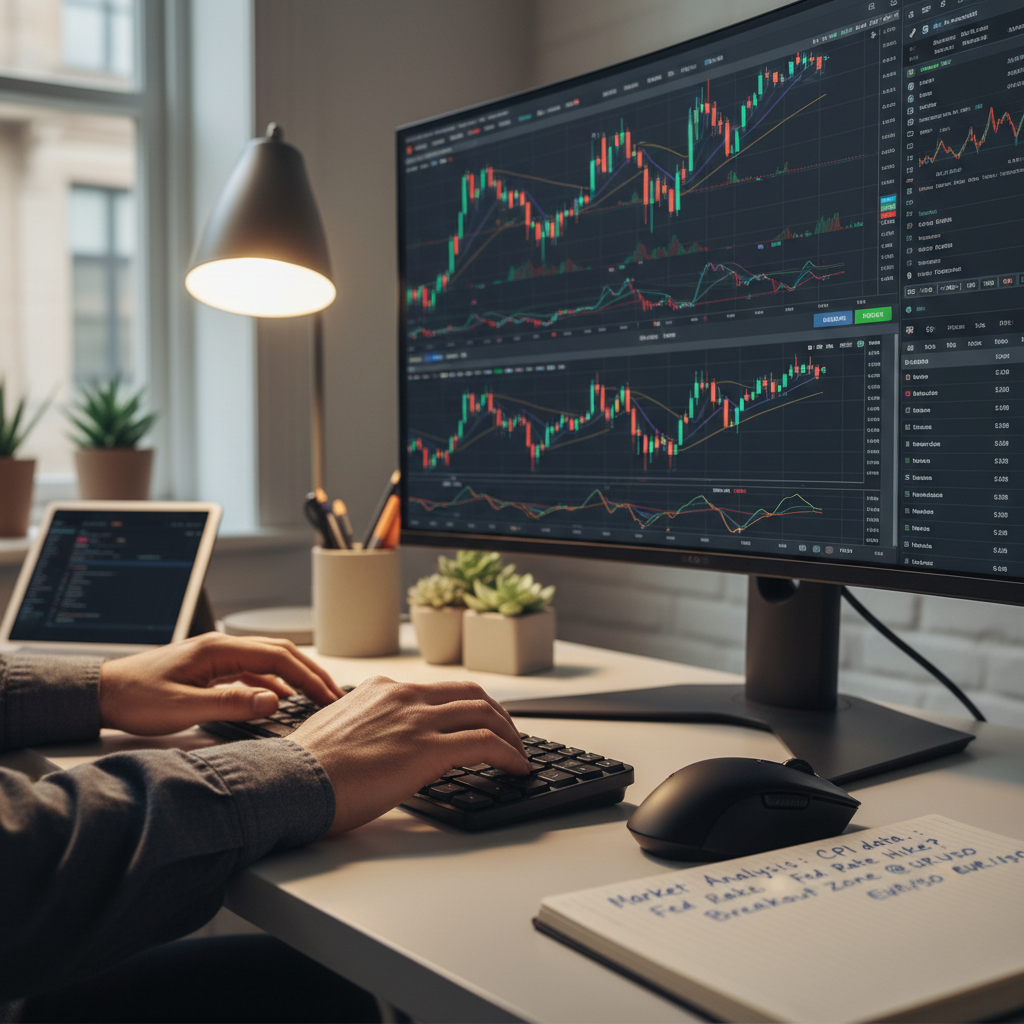
Importance of Risk Management
While the potential for profit is high, so is the risk of substantial losses. This is why mastering risk management strategies is vital for anyone new to forex trading. Effective risk management can help protect your investment and ensure long-term success.
Setting Stop-Loss Orders
A stop-loss order is a predetermined point at which a trade is automatically closed to prevent further loss. By setting stop-loss orders, traders can limit their losses on any given trade, allowing them to manage their risk more effectively.
- Determine a safe stop-loss level before entering a trade.
- Avoid moving stop-loss points further away in hopes of a market reversal.

Position Sizing
Position sizing is another critical component of risk management. It involves determining the correct amount of currency to trade, ensuring that no single trade can significantly impact your overall portfolio. Consider using the 1% rule, which suggests risking no more than 1% of your trading capital on a single trade.
Emotional Discipline
Emotions can significantly influence trading decisions. Fear and greed are common emotions that can lead to impulsive decisions and increased risk. Developing emotional discipline helps traders stick to their strategies and manage risk more effectively.
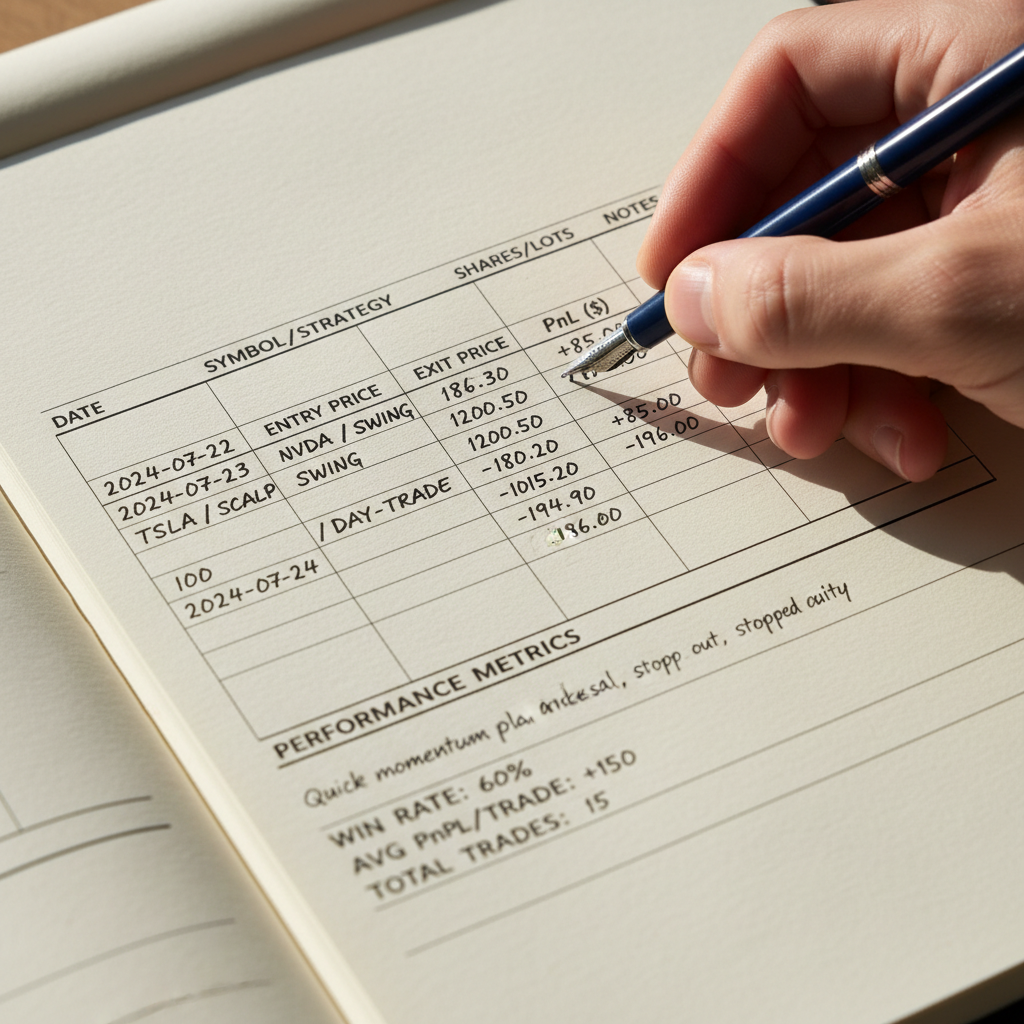
Keeping a Trading Journal
Maintaining a trading journal is an excellent way to track your trades, analyze performance, and identify emotional triggers. By documenting your trades, you can learn from past mistakes and make informed decisions moving forward.
- Record entry and exit points for each trade.
- Note the rationale behind each decision.
- Reflect on emotional states during trading.
Continuous Learning and Adaptation
The forex market is constantly evolving, and successful traders adapt to these changes. Continuously educate yourself on market trends, economic indicators, and new trading strategies to enhance your risk management skills.
By prioritizing risk management and staying informed, beginners can navigate the forex market with greater confidence and achieve long-term success.